
Farm To Fork Traceability
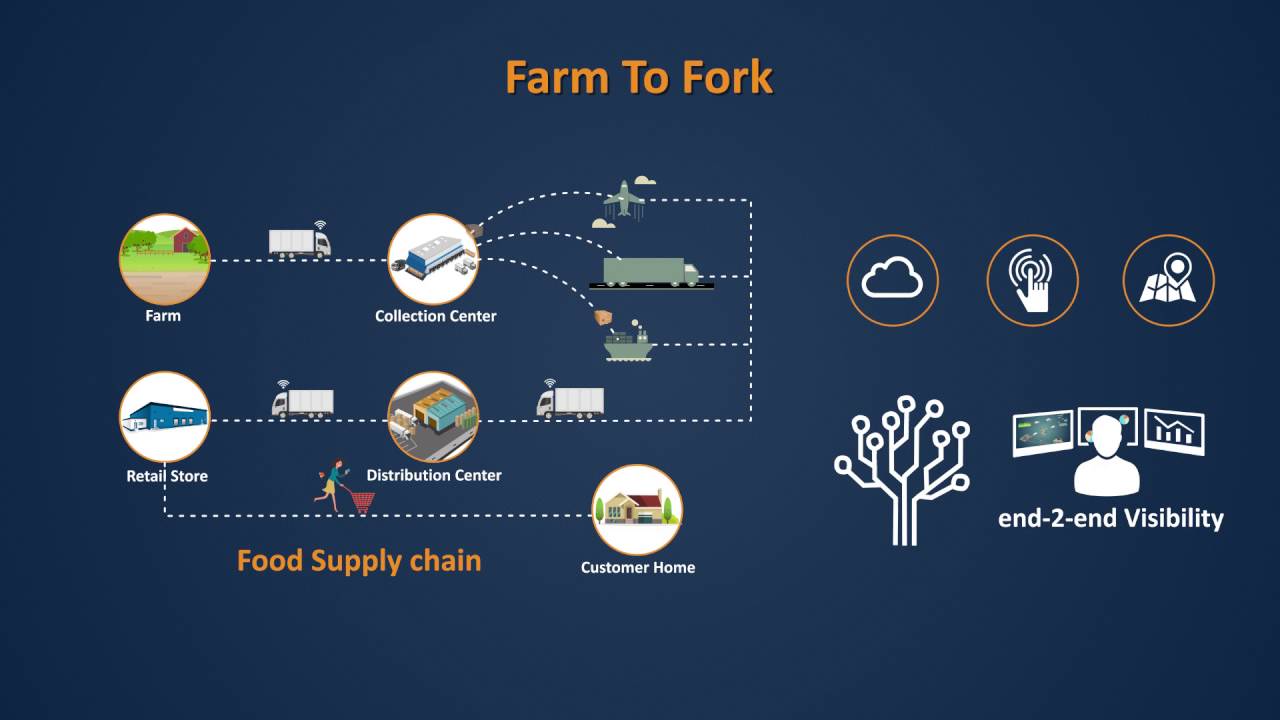
Farm-to-Fork Traceability refers to a system that ensures transparency across the entire food supply chain—from the farming stage (the farm) to the consumer’s table (the fork). This concept is vital for food safety, sustainability, and consumer trust, as it allows for the tracking of food products through every step of production, processing, and distribution.
Key Elements of Farm to Fork Traceability:
Origin Tracking: Identifies where the product is grown or sourced, including the methods of farming or production. This can include whether the farm uses organic practices or sustainable farming methods.
Processing Data: Monitors how food is handled, processed, and stored. This ensures compliance with health standards and allows any harmful practices to be pinpointed.
Transportation and Distribution: Ensures transparency in how the food is transported, such as cold storage conditions, timeframes, and how it reaches distributors or retailers.
Retail and Consumer Information: Provides consumers with clear information about the origin of their food, including certifications like organic or fair trade labels, as well as freshness, ingredients, and nutritional data.
Sustainability Focus: In a sustainable model, farm-to-fork traceability systems emphasize minimal environmental impact, ensuring products are sourced from eco-friendly farms with low-carbon logistics.
Benefits:
Enhanced Food Safety: In case of contamination, the source can be quickly identified and recalled.
Transparency for Consumers: Gives consumers confidence in knowing where their food comes from and how it was produced.
Regulatory Compliance: Companies can ensure they meet local and international food safety regulations.
Sustainability: Supports environmentally friendly practices by documenting sustainable farming methods and responsible sourcing.
If JYKUN Traderoutes Private Limited integrates farm-to-fork traceability, they would be implementing systems like blockchain or digital tracking tools to document and verify the journey of their products from sustainable farms to the end consumers. This enhances trust, supports sustainable agriculture, and can add value to their product offerings.