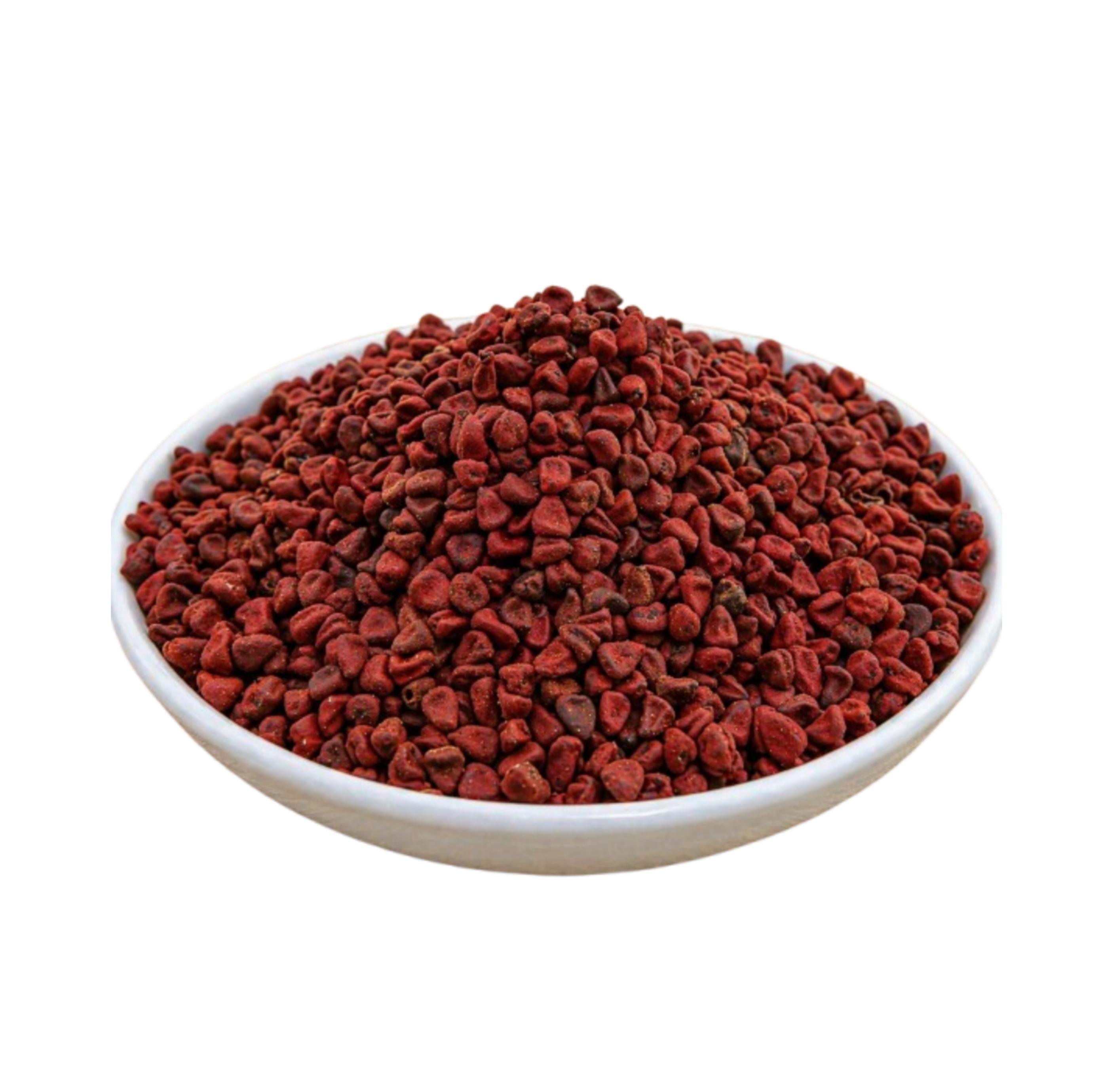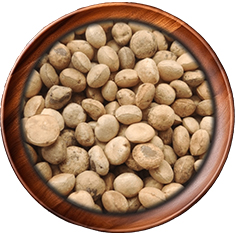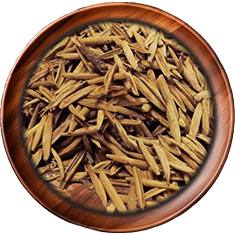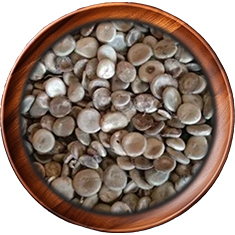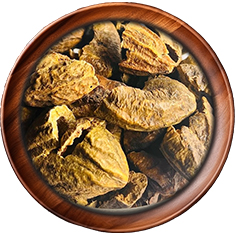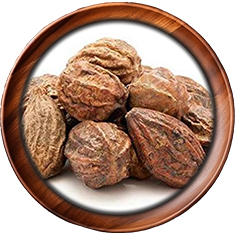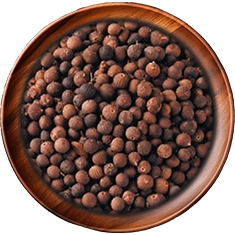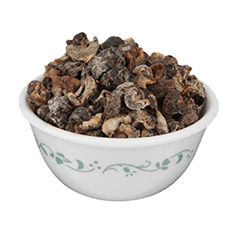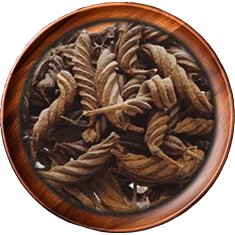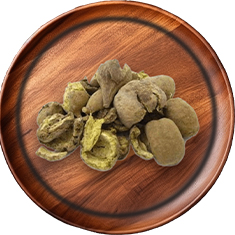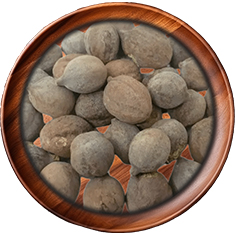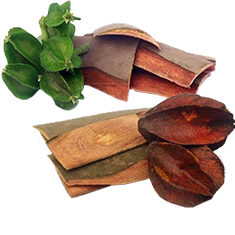
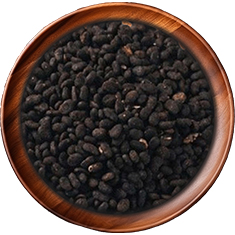
Babchi Seeds (scientifically known as Psoralea corylifolia) are highly valued in Ayurveda and traditional medicine for their powerful medicinal properties, particularly for skin-related conditions. These seeds are rich in bioactive compounds and have been used for centuries to treat various skin ailments like vitiligo, psoriasis, and eczema.
Description:
Babchi is a
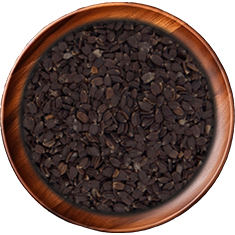
small, upright plant that typically grows up to 2-3 feet tall. The seeds are
small, black, or dark brown in color and are packed with medicinal properties.
The whole plant, especially the seeds, is used for therapeutic purposes, with
the seeds being particularly potent.
Medicinal
Properties of Babchi Seeds:
Babchi seeds
are known for their strong medicinal qualities, which include:
1. Skin
Health:
Vitiligo
(Leucoderma): Babchi
seeds are one of the most effective natural treatments for vitiligo, a
condition that causes white patches on the skin. The seeds stimulate melanin
production in the skin, helping restore pigmentation.
Psoriasis
& Eczema: Babchi
oil and paste made from the seeds help reduce inflammation and improve the
texture of the skin, making it useful in treating chronic skin disorders like
psoriasis and eczema.
Anti-fungal
and Anti-bacterial:
The seeds possess strong anti-microbial properties that help treat fungal
infections, ringworms, and other bacterial infections on the skin.
2. Blood
Purifier:
Babchi seeds
are known to purify the blood, which contributes to their effectiveness in
treating skin disorders. They help remove toxins from the bloodstream, thereby
promoting clearer and healthier skin.
3. Anti-inflammatory
and Antioxidant:
The seeds
contain anti-inflammatory properties that help reduce swelling, redness, and
irritation in various skin conditions.
Babchi seeds are also rich in antioxidants,
which protect the skin from free radical damage and promote skin repair and
rejuvenation.
4. Hair
Growth:
Babchi oil
is known to improve hair health, reduce dandruff, and promote hair growth by
strengthening the hair follicles.
Active
Compounds:
Babchi seeds
contain several active components that are responsible for their therapeutic
effects, including:
Psoralen: A key compound that stimulates
melanin production, which is essential for treating conditions like vitiligo.
Bakuchiol: A natural compound with anti-aging
and anti-inflammatory properties. It is often used in modern skincare products
as a natural alternative to retinol.
Flavonoids: Powerful antioxidants that protect
against cell damage.
Uses in
Traditional Medicine:
1.
Ayurveda:
In Ayurveda,
Babchi seeds (Bakuchi) are considered to balance Kapha and Vata
doshas. They are often used in formulations to treat skin diseases, leprosy,
and as a rejuvenator for the skin and hair.
Babchi is
also believed to have "Ushna" (heating) properties, which makes it
useful in treating cold-related conditions like arthritis and joint pain.
2. Unani
Medicine:
In Unani
medicine, Babchi seeds are used for similar purposes, especially for skin
diseases and disorders of the reproductive system.
How to
Use Babchi Seeds:
1. Babchi
Oil:
The seeds
are often processed into oil, which is applied topically to affected skin
areas. Babchi oil is particularly popular for treating vitiligo and other skin
disorders.
2. Babchi
Paste:
A paste can
be made by grinding the seeds and applying it directly to the skin for
conditions like eczema, psoriasis, and ringworm.
3. Oral
Consumption:
Babchi seeds
can be consumed in small quantities as powder or capsules. However, oral
consumption should be done under the supervision of an Ayurvedic or herbal
practitioner, as it can be potent.