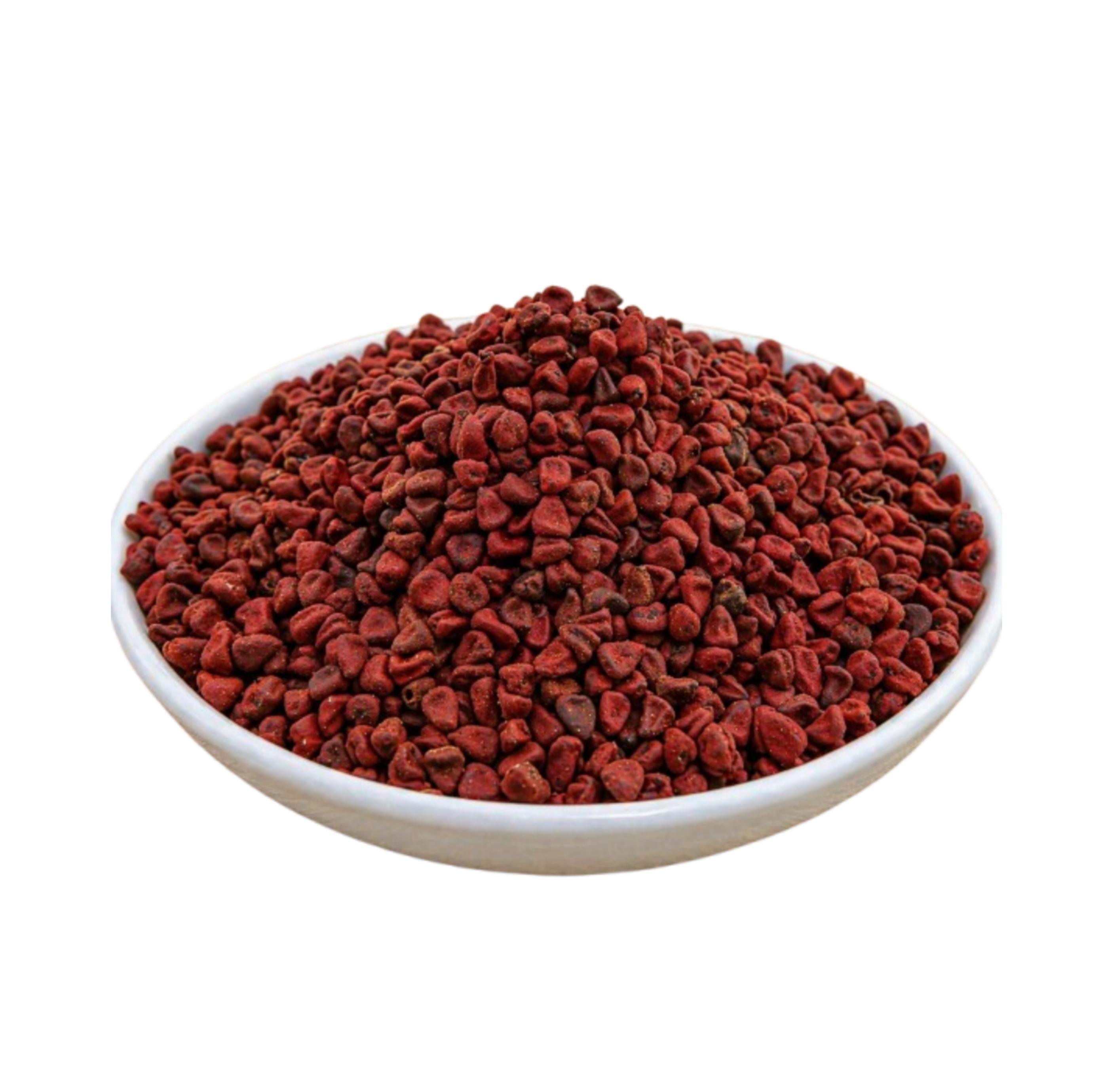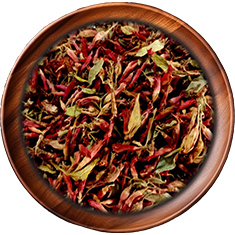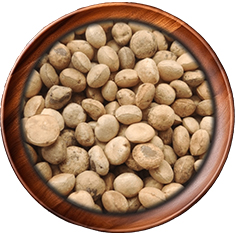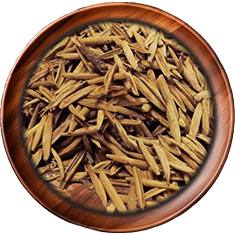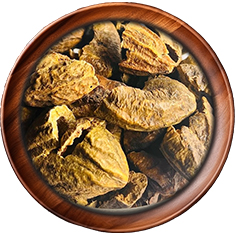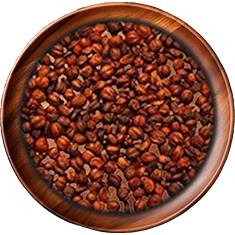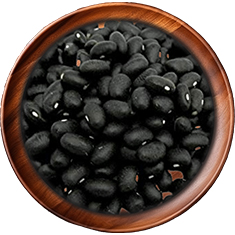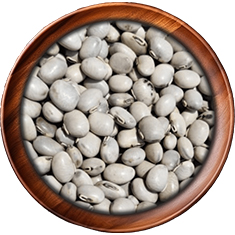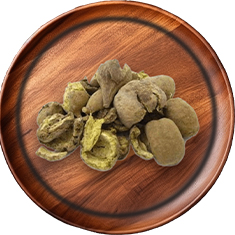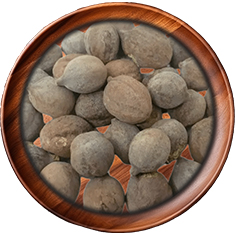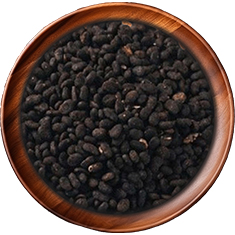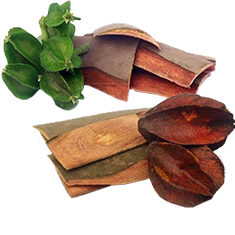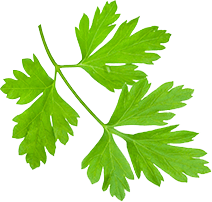
Bantulsa (also known as Wild Basil) is a medicinal herb that belongs to the Ocimum family, which also includes the widely known Holy Basil or Tulsi. Bantulsa is found in the wild, and like other basil varieties, it is valued for its potent medicinal properties, especially in traditional and folk medicine systems. Though not as commonly known as Tulsi, Wild Basil shares many health benefits, particularly for respiratory health, digestive support, and as a natural immune booster.
Description:
Bantulsa is
a perennial herb that grows in wild areas, particularly in tropical and
subtropical regions. The plant is similar in appearance to the more common Holy
Basil, with small green leaves, aromatic stems, and clusters of white or purple
flowers. It has a strong, pleasant aroma similar to other basil species, with a
more earthy or camphor-like scent.
Medicinal
Properties of Bantulsa (Wild Basil):
1.
Respiratory Health:
- Cough and Cold: Wild Basil is known for its
ability to treat respiratory conditions such as cough, cold, bronchitis,
and asthma. It helps in clearing mucus from the respiratory tract and
provides relief from congestion.
- Expectorant: The leaves of Bantulsa act as
an expectorant, helping to expel phlegm from the chest and lungs. It is
commonly used in herbal remedies for chronic cough and colds.
- Anti-inflammatory: Its anti-inflammatory
properties help soothe the respiratory system, making it effective in
treating conditions like bronchitis and asthma.
2.
Digestive Support:
- Improves Digestion: Bantulsa is known to enhance
digestion by stimulating the production of digestive enzymes. It helps
relieve indigestion, bloating, and gas.
- Anti-spasmodic: It is often used to treat
stomach cramps, diarrhea, and other gastrointestinal issues due to its
ability to relax the smooth muscles of the digestive tract.
- Antibacterial: The antibacterial properties
of Bantulsa help in treating infections caused by harmful bacteria in the
gut, promoting a healthy digestive system.
3. Immune
Booster:
- Natural Immune Support: Like other basil varieties,
Bantulsa is an excellent immune booster. It helps in building the body's
defense against infections and diseases by strengthening the immune
system.
- Rich in Antioxidants: Wild Basil contains
antioxidants that help fight oxidative stress, which can damage cells and
lead to chronic diseases. These antioxidants also help in reducing
inflammation and promoting overall health.
4.
Antimicrobial and Antifungal:
- Fights Infections: The antimicrobial properties
of Bantulsa are effective in treating bacterial, viral, and fungal
infections. This makes it useful for both internal infections and external
wounds.
- Skin Infections: The leaves can be applied
topically to treat skin infections, boils, and wounds. It helps in faster
healing by preventing the growth of harmful microbes.
5. Stress
Relief and Mental Health:
- Adaptogen: Like Tulsi, Bantulsa is
considered an adaptogen, which means it helps the body adapt to stress. It
is used to reduce anxiety, mental fatigue, and emotional stress.
- Calms the Nervous System: Wild Basil has a calming
effect on the nervous system, promoting relaxation and improving mental
clarity. It is sometimes used in traditional remedies for insomnia or
nervous disorders.
6.
Anti-inflammatory and Pain Relief:
- Joint Pain: Bantulsa has anti-inflammatory
properties that make it useful in treating joint pain, arthritis, and
other inflammatory conditions. It can be applied topically or consumed in
teas and tinctures for pain relief.
- Muscle Pain: It can also help with muscle
pain and stiffness due to its ability to relax muscles and reduce
inflammation.
Active
Compounds in Bantulsa (Wild Basil):
Bantulsa
contains several bioactive compounds responsible for its medicinal properties,
including:
- Eugenol: A compound that has strong
antiseptic, anti-inflammatory, and analgesic (pain-relieving) properties.
- Camphor: Known for its decongestant and
anti-inflammatory effects, camphor helps relieve respiratory symptoms and
muscle pain.
- Flavonoids: These natural antioxidants
help in reducing inflammation, fighting free radicals, and improving
overall health.
- Rosmarinic Acid: This compound has strong
antioxidant and anti-inflammatory effects, useful for boosting the immune
system and fighting infections.
Traditional Uses of Bantulsa (Wild Basil):
1. Tea and Infusion:
- The leaves of Wild Basil are
often brewed into a tea to help with respiratory problems, improve
digestion, and boost immunity. A simple infusion can be made by steeping
fresh or dried Bantulsa leaves in hot water for 5-10 minutes, and drinking
this tea 2-3 times daily.
2. Topical Applications:
- Poultice: A poultice made from crushed
Bantulsa leaves can be applied to the skin to treat boils, wounds, and
skin infections. It helps in reducing inflammation and speeding up the
healing process.
- Essential Oil:
The essential oil extracted from Bantulsa is used for aromatherapy, pain
relief, and in topical applications for treating respiratory problems and
muscle pain.
3. Herbal Remedies:
- For Respiratory Issues: In traditional medicine, Bantulsa is often used as part of
herbal formulas to treat chronic respiratory issues such as asthma and
bronchitis. It is combined with other herbs for a more potent effect.
- For Digestion: Bantulsa
is commonly added to digestive tonics or tinctures to help improve digestion
and relieve gastrointestinal discomfort.