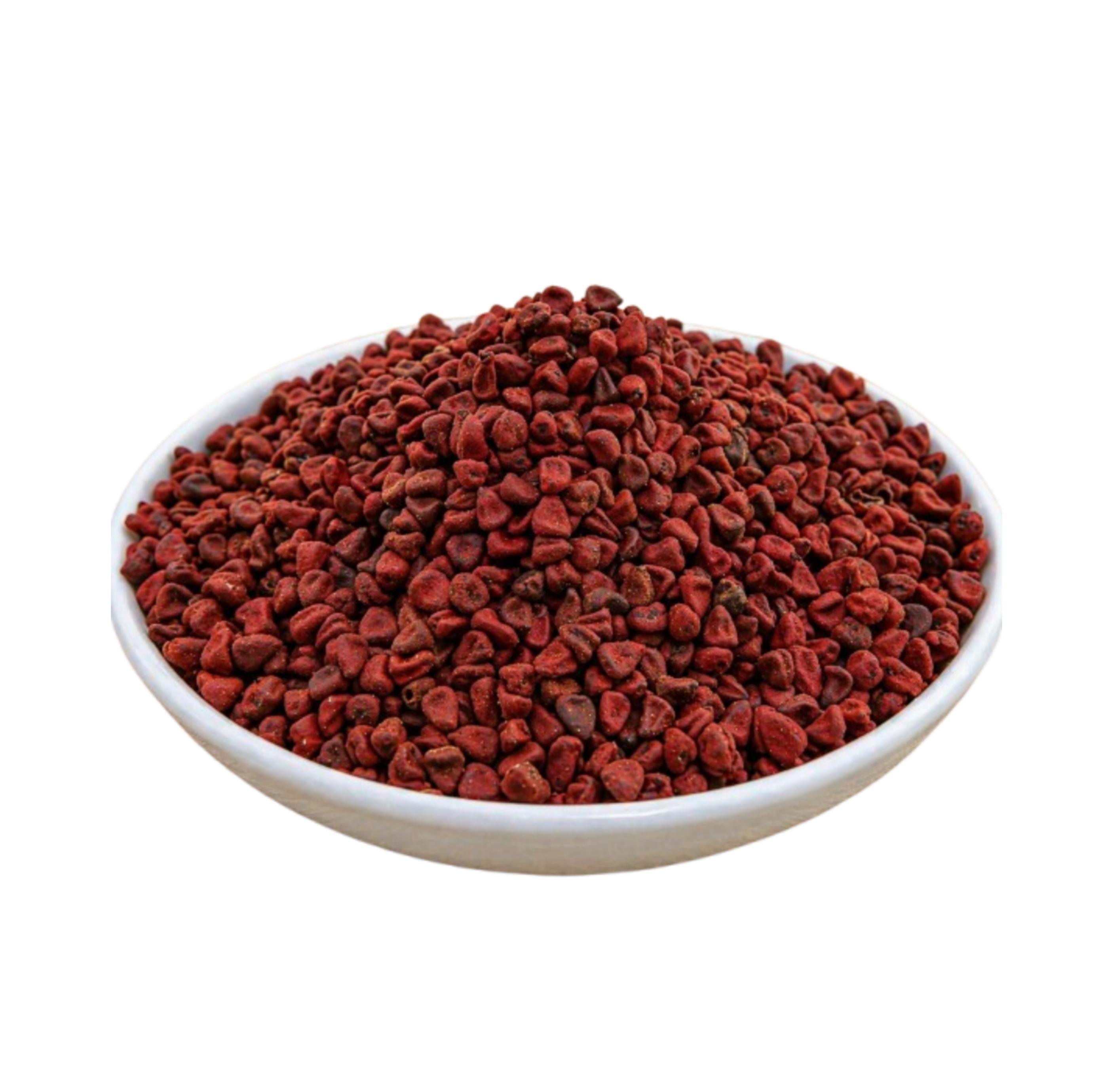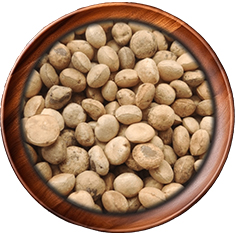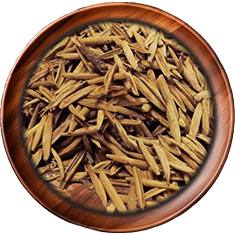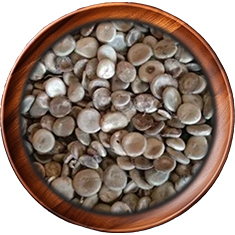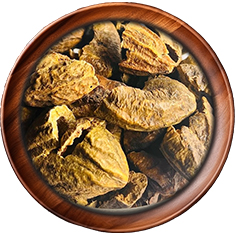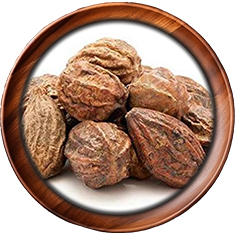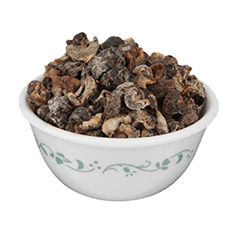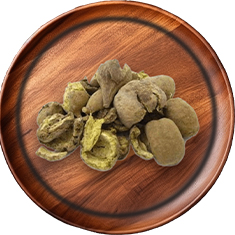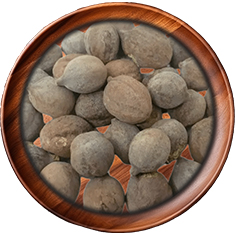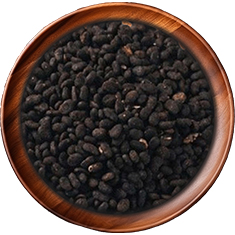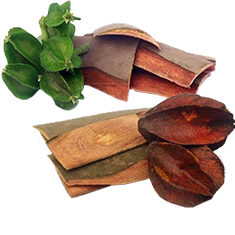

Bal Harad (also known as Haritaki or Terminalia chebula) is a highly revered herb in Ayurveda, widely known for its health benefits, especially for digestion and detoxification. "Bal Harad" specifically refers to the smaller, immature fruits of the Haritaki plant, which are considered particularly beneficial for children and for gentler therapeutic use. Harad is one of the three fruits that make up the famous Ayurvedic formulation Triphala.
Description:
Bal Harad
refers to the unripe or small fruit of the Haritaki tree, which is native to
India and Southeast Asia. The fruit is green when unripe, and it is this
early-stage harvest of Haritaki that is called "Bal Harad." It is
considered milder in action compared to the fully ripe fruit, making it
especially beneficial for children or those with a sensitive digestive system.
Medicinal
Properties of Bal Harad:
1. Digestive Health:
- Laxative: Bal Harad is known for its
mild laxative properties, helping to relieve constipation and promote
regular bowel movements, especially in children or people with a weak
digestive system.
- Appetite Stimulant: It helps improve appetite by
promoting better digestion and absorption of nutrients.
- Digestive Tonic: Bal Harad aids in relieving
indigestion, bloating, and gas, making it a great herb for overall
digestive support.
2.
Detoxification:
- Gentle Detoxifier: Bal Harad is known for its
ability to cleanse the digestive tract and help in the removal of toxins
(ama) from the body. It supports healthy bowel function and encourages the
natural detoxification process.
- Colon Cleanser: Its gentle purgative
properties help clean the colon and maintain its health, promoting
smoother digestion.
3.
Respiratory Health:
- Cough and Cold: Bal Harad is effective in
managing respiratory issues such as cough, cold, and congestion. It works
as an expectorant, helping to remove mucus from the respiratory tract.
- Asthma: It is also used to manage
symptoms of asthma, as it helps to reduce inflammation in the airways and
improves breathing.
4. Immune
Booster:
- Bal Harad is known for boosting
the immune system and improving overall vitality. It strengthens the
body’s defense mechanisms, making it helpful in fighting infections and
diseases.
5.
Antioxidant:
- Rich in antioxidants, Bal Harad
helps neutralize harmful free radicals in the body, reducing oxidative
stress and slowing the aging process. This contributes to overall cellular
health and protection against chronic diseases.
6. Weight
Management:
- Bal Harad helps in regulating
metabolism and digestion, which may assist in weight management. It
improves fat metabolism and supports detoxification, making it useful for
those looking to manage body weight naturally.
7. Skin
and Hair Health:
- Skin: Bal Harad can be used to treat
skin issues such as acne and rashes due to its anti-inflammatory and
detoxifying properties. It promotes clearer skin and helps reduce skin
infections.
- Hair: It also benefits hair health,
reducing dandruff and preventing premature graying when used as a hair
tonic or in hair masks.
8.
Antimicrobial and Anti-inflammatory:
- Bal Harad has strong
antimicrobial properties, which help in treating infections and preventing
the growth of bacteria and fungi. Its anti-inflammatory action makes it
effective in reducing inflammation in the body, whether related to
digestion, skin issues, or joint pain.
Active
Compounds in Bal Harad:
Bal Harad
contains various bioactive compounds that contribute to its wide range of
health benefits, including:
- Tannins: These compounds have
astringent properties, which help tone and tighten tissues.
- Chebulinic Acid: Known for its
anti-inflammatory and antioxidant properties, helping with wound healing
and protection against infections.
- Gallic Acid: A powerful antioxidant that
helps in reducing inflammation and oxidative stress.
- Flavonoids: These help protect the body
against free radical damage and support the immune system.
Uses in
Ayurveda:
In Ayurveda,
Bal Harad is considered a potent herb for balancing all three doshas—Vata,
Pitta, and Kapha—but is especially known for its role in
balancing Vata. It is known for its Rasayana properties, which
means it promotes longevity, rejuvenation, and overall vitality.
Some common
Ayurvedic uses include:
- Treating digestive issues like
constipation, indigestion, and poor appetite
- Detoxifying the body and
supporting healthy bowel movements
- Treating respiratory disorders
like cough, asthma, and congestion
- Promoting skin and hair health
- Boosting immunity and energy
levels
How to Use Bal Harad:
1. Bal
Harad Powder:
- Internal Use: Bal Harad powder can be
consumed with warm water, honey, or as part of herbal formulations. The
typical dosage is about 1-3 grams per day, depending on age, health
condition, and individual needs. It’s often taken before meals for
digestion or at bedtime for its mild laxative effects.
- Triphala: Bal Harad is a key ingredient
in the famous Ayurvedic formulation Triphala, which is used for digestion,
detoxification, and overall rejuvenation.
2.
Topical Application:
- For Skin: A paste made from Bal Harad
powder can be applied topically to treat acne, skin rashes, or wounds.
- For Hair: The powder can be mixed with
other herbs like Amla and Shikakai to create hair masks that promote
healthy hair growth and reduce dandruff.