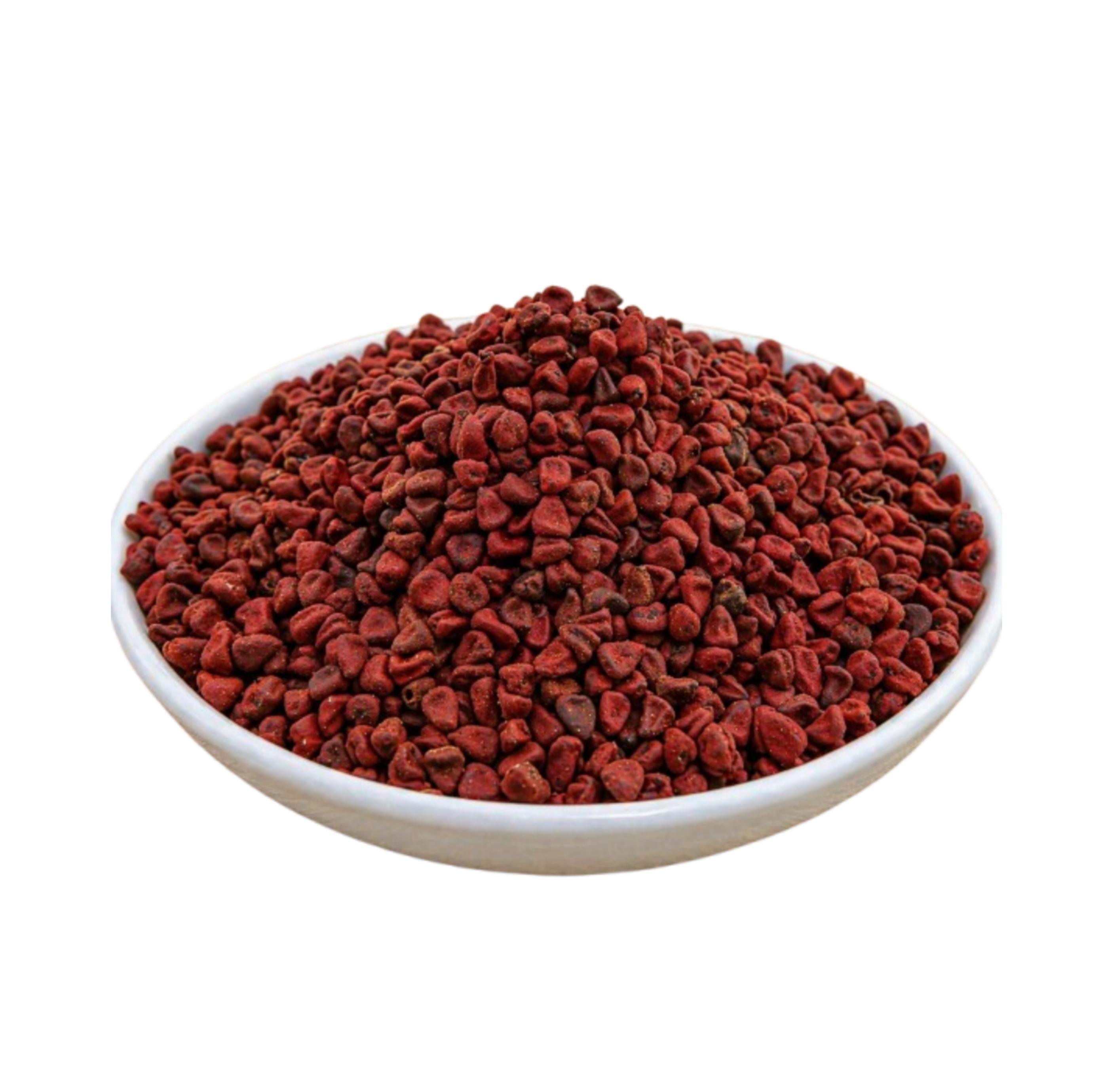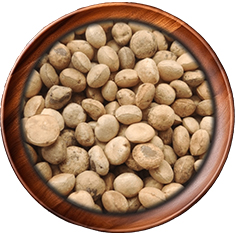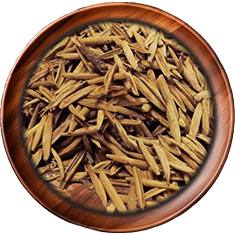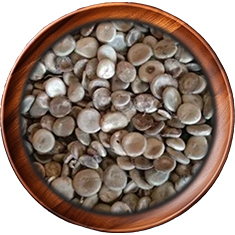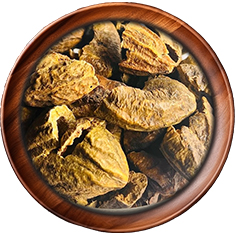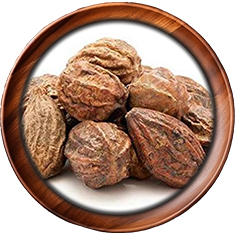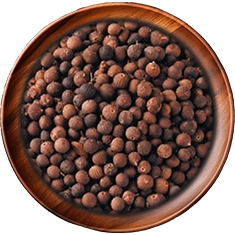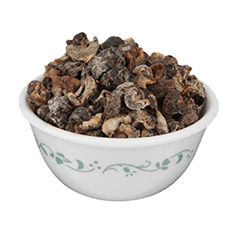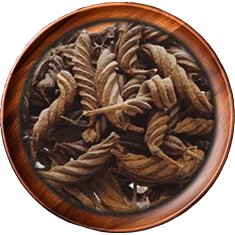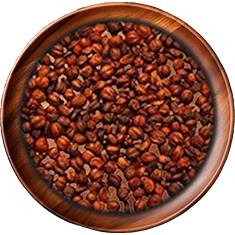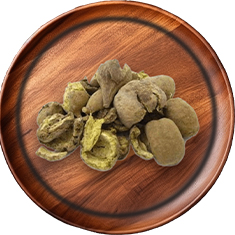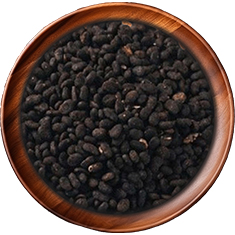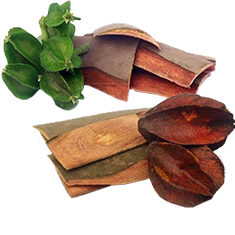
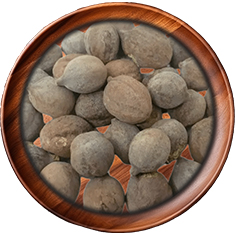
Baheda Sabut (also known as Bibhitaki in Sanskrit and Terminalia bellirica botanically) is one of the most important herbs in Ayurvedic medicine. It is particularly known for its role in improving digestion, detoxifying the body, and enhancing respiratory health. Baheda is one of the three fruits that make up the famous Ayurvedic formulation Triphala, alongside Amalaki (Amla) and Haritaki.
Description:
Baheda is a
large deciduous tree that grows throughout India and parts of Southeast Asia.
The tree can reach up to 20-30 meters in height, and it produces a nut-like
fruit that is dried and used for medicinal purposes. The dried fruit is
brownish-grey in color, with a hard shell, and is referred to as "Baheda
Sabut" in its whole, unprocessed form.
Medicinal
Properties of Baheda Sabut:
Baheda Sabut
is revered in Ayurvedic medicine due to its diverse health benefits. Its
properties include:
1.
Digestive Health:
Laxative: Baheda acts as a mild, natural
laxative, helping relieve constipation by improving bowel movements.
Appetite
Enhancer: It is
known to stimulate digestion and improve appetite, particularly in those
suffering from indigestion or digestive discomfort.
Detoxification: Baheda helps cleanse the
gastrointestinal tract, promoting detoxification and the removal of harmful
toxins from the body.
2.
Respiratory Health:
Cough and
Cold: Baheda is an
excellent remedy for respiratory issues like cough, cold, and asthma. It helps
clear mucus from the respiratory tract and provides relief from congestion.
Anti-inflammatory: It reduces inflammation in the
respiratory system and can soothe irritation in the throat, making it effective
for chronic respiratory conditions like bronchitis.
3. Liver
Health:
Baheda
supports liver function by promoting detoxification and aiding in the removal
of toxins. It is also used to help manage liver disorders in traditional
medicine.
4.
Antioxidant:
Baheda is
rich in antioxidants that help fight free radicals and reduce oxidative stress,
contributing to overall health and well-being. This aids in slowing down the
aging process and reducing the risk of chronic diseases.
5.
Anti-inflammatory and Antibacterial:
The fruit
has strong anti-inflammatory and antibacterial properties, making it effective
in treating infections, both internal and external. It can be used to treat
wounds, ulcers, and skin conditions.
6. Eye Health:
In Ayurveda,
Baheda is often used to improve eye health. It can reduce eye strain and is
believed to help in managing conditions like conjunctivitis or general eye
discomfort.
7. Weight
Management:
Baheda is
sometimes used in Ayurvedic treatments for weight management due to its ability
to improve digestion and metabolism. It helps in the breakdown of fat and
prevents fat accumulation in the body.
8. Hair
and Skin Health:
Baheda is
used to promote healthy hair and skin. It can prevent premature graying of hair
and dandruff when applied topically. For the skin, Baheda is used to treat acne
and enhance the natural glow.
Active
Compounds in Baheda:
Baheda
contains several potent bioactive compounds, including:
- Tannins: Strong antioxidants with
astringent properties.
- Gallic Acid: Known for its
anti-inflammatory and antimicrobial properties.
- Ellagic Acid: A powerful antioxidant that
protects cells from damage.
- Flavonoids: Which help in reducing
inflammation and fighting oxidative stress.
Uses in
Ayurveda:
Baheda is a
crucial component of Triphala, which balances all three doshas
(Vata, Pitta, Kapha) in Ayurveda. It is believed to primarily balance Kapha
and Pitta doshas, making it useful for treating conditions related to
excess mucus (Kapha) and heat (Pitta) in the body.
Some of its
traditional uses in Ayurveda include:
- Treating indigestion and
constipation
- Managing cough, asthma, and
other respiratory conditions
- Supporting liver health and
detoxification
- Improving hair and skin health
- Managing conditions like
diabetes and hypertension
How to
Use Baheda Sabut:
1. Baheda
Powder:
- Internal Use: Baheda powder can be taken
internally by mixing with water, honey, or other herbal concoctions. The
general dosage is 3-5 grams of powder, once or twice daily, as per the
advice of a healthcare provider.
2.
Triphala:
- Baheda is commonly consumed as
part of the Triphala formula, which is usually taken before bed for
detoxification and to support digestive health.
3.
Topical Application:
- Baheda can be applied topically
in the form of a paste or oil to treat skin conditions, wounds, or to
improve hair quality. The paste is made by mixing Baheda powder with water
or oil and applied directly to the affected area.