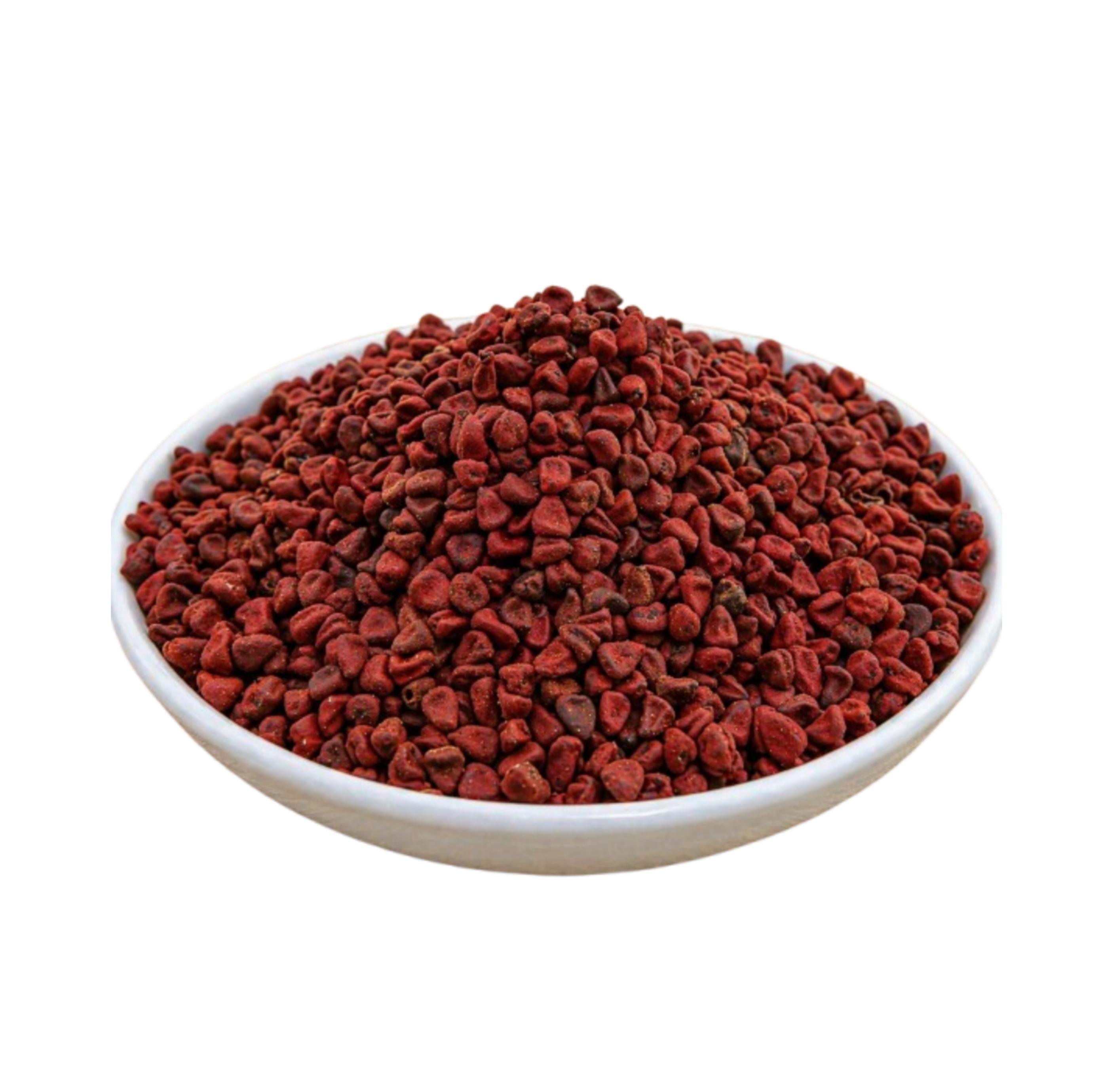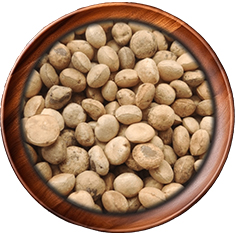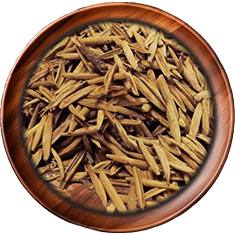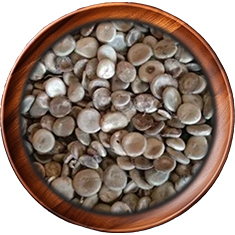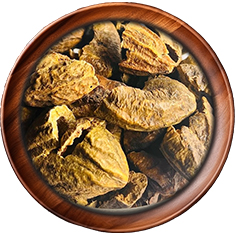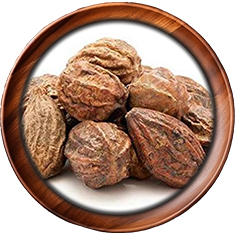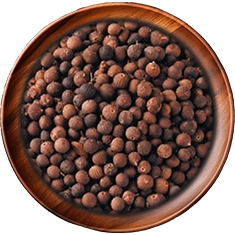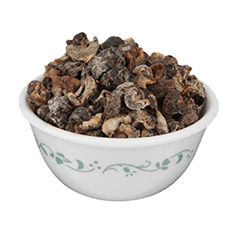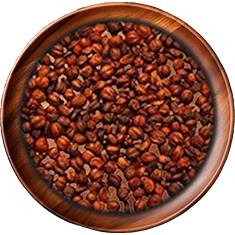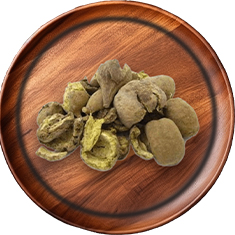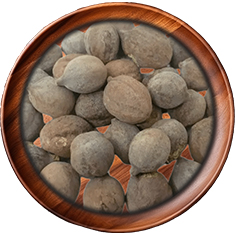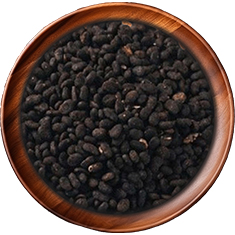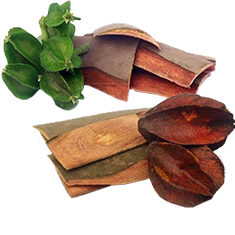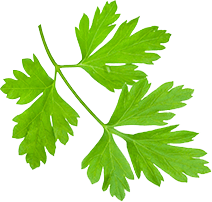
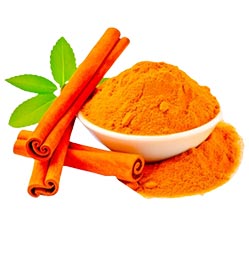
Marod Phali, also known as Nut-Leaved Screw Tree or Helicteres isora, is a medicinal plant used in traditional Ayurvedic medicine for a variety of health conditions. It is particularly known for its anti-inflammatory, digestive, and respiratory benefits.
Description:
The plant Helicteres
isora is a small, deciduous tree or shrub that grows up to 3-5 meters in
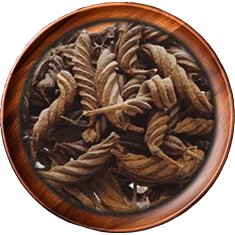
height. The most recognizable part of the plant is its fruit, which resembles a
twisted or spiraled pod, giving it the name "Screw Tree." The fruit
is typically brownish and elongated with a distinctive corkscrew shape.
Nutritional
and Chemical Composition:
Marod Phali
contains several bioactive compounds, including:
- Tannins
- Flavonoids
- Steroids
- Saponins
- Alkaloids
These
compounds contribute to the plant's medicinal properties, particularly its
anti-inflammatory, antimicrobial, and antioxidant effects.
Medicinal
Properties of Marod Phali:
1.
Digestive Health:
- Treats Diarrhea and Dysentery: Marod Phali is widely used to
treat gastrointestinal issues such as diarrhea, dysentery, and irritable
bowel syndrome (IBS). It has astringent properties, which help in reducing
excessive bowel movements.
- Improves Digestion: The fruit and bark are
traditionally used to improve digestion and stimulate the digestive
enzymes, making it useful in treating indigestion and flatulence.
2.
Respiratory Health:
- Cough and Cold: Marod Phali is effective in
treating respiratory issues such as cough, bronchitis, and asthma. It acts
as an expectorant, helping to clear mucus from the airways.
- Antimicrobial: The plant's antimicrobial
properties help in fighting infections in the respiratory tract, providing
relief from infections like sore throat and chest congestion.
3.
Anti-inflammatory and Pain Relief:
- Joint Pain and Rheumatism: Marod Phali has
anti-inflammatory properties, which make it useful in treating conditions
like arthritis, rheumatism, and general muscle pain. The plant is
sometimes used externally in the form of a paste or oil to reduce pain and
swelling.
- Wound Healing: Its anti-inflammatory and
antimicrobial properties also make it effective in treating wounds,
helping to reduce infection and speed up healing.
4.
Antidiabetic Properties:
- Blood Sugar Regulation: Some studies suggest that
Marod Phali may help regulate blood sugar levels, making it useful for
individuals with diabetes. It helps in improving insulin sensitivity and
reducing blood glucose levels.
5.
Antioxidant Effects:
- Fights Oxidative Stress: The plant is rich in
antioxidants, which help in neutralizing free radicals in the body,
reducing oxidative stress, and lowering the risk of chronic diseases like
heart disease and cancer.
6.
Antimicrobial Properties:
- Fights Infections: Due to its antimicrobial
properties, Marod Phali can be used to treat bacterial, fungal, and viral
infections. This makes it effective in managing skin infections, urinary
tract infections, and gastrointestinal infections.
7.
Menstrual Health:
- Regulates Menstruation: In traditional medicine, Marod
Phali is used to regulate the menstrual cycle and alleviate menstrual
cramps. It helps in balancing hormones and reducing discomfort during
menstruation.
Traditional
Uses:
In Ayurveda
and other traditional systems of medicine, Marod Phali has been used for a
variety of purposes:
- Ayurveda: Used as a remedy for
gastrointestinal issues, respiratory conditions, joint pain, and
infections.
- Unani Medicine: Known for its effectiveness in
treating digestive and respiratory disorders, as well as its role in pain
relief.
How to
Use Marod Phali:
1.
Powdered Form:
- The fruit or bark of Marod Phali
can be dried and powdered. This powder can be mixed with water or honey
and consumed to treat digestive issues or respiratory problems.
2.
Decoction:
- A decoction of Marod Phali
(boiling the fruit or bark in water) is often consumed to treat diarrhea,
dysentery, and respiratory ailments. It can also be used externally to
wash wounds or applied as a poultice for skin infections.
3.
External Application:
- The powdered fruit or bark can
be made into a paste and applied externally to relieve joint pain, muscle
pain, and inflammation.